Edinburgh Stone Repair — home

Lime pointing

Traditional lime mortars and plasters for historic, heritage and conservation buildings across Edinburgh and Central Scotland.

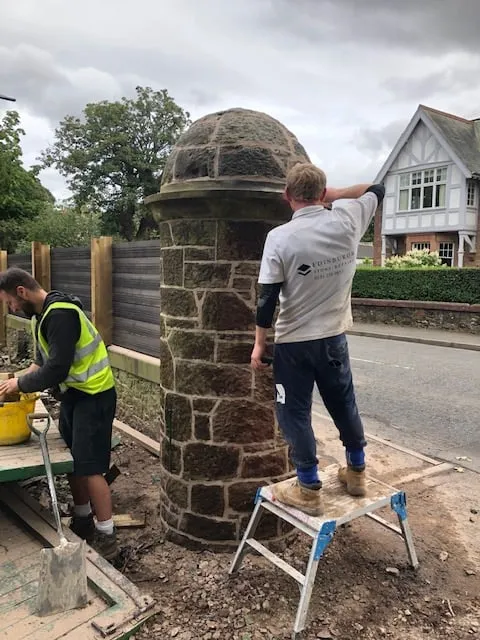
Stonemasons rebuilding a round stone gate pillar in lime mortar

We use traditional methods

Lime mortar, matched to the building

Edinburgh Stone Repairs & Masonry specialise in the application of various types of lime plaster and lime mortar to historic, heritage and conservation buildings across Edinburgh and Central Scotland. The approach we take is both simple and effective: we use traditional methods combined with a knowledge of suitable modern materials. That might mean matching the building’s lime mortar to replace it ‘like for like’, or finding the best eco materials available to do the building the justice it deserves.

Plastering

Lime plastering services

Our lime plastering services include the standard three-coat approach of aggregate, lime putty and hair, as well as more modern lime plastering approaches such as hemp plaster (which is a lime putty product) and Glaster (a hydraulic lime and recycled glass mix). To protect the exterior of your property we offer a lime rendering service and lime pointing, both of which can then be finished with a limewash.

Inside and out

Internal lime plastering

Whilst our internal lime plastering products all use lime putty as the binding agent, our external lime render uses a natural hydraulic lime to offer suitable protection against the elements. Lime render can be finished in a range of styles, to match the style of the building or the specifications of an architect.

We strive to offer the best lime plastering service available — whether that means sourcing the best quality lime plastering materials, choosing the most suitable products for the building’s requirements, communicating with you throughout the work, or simply being punctual.

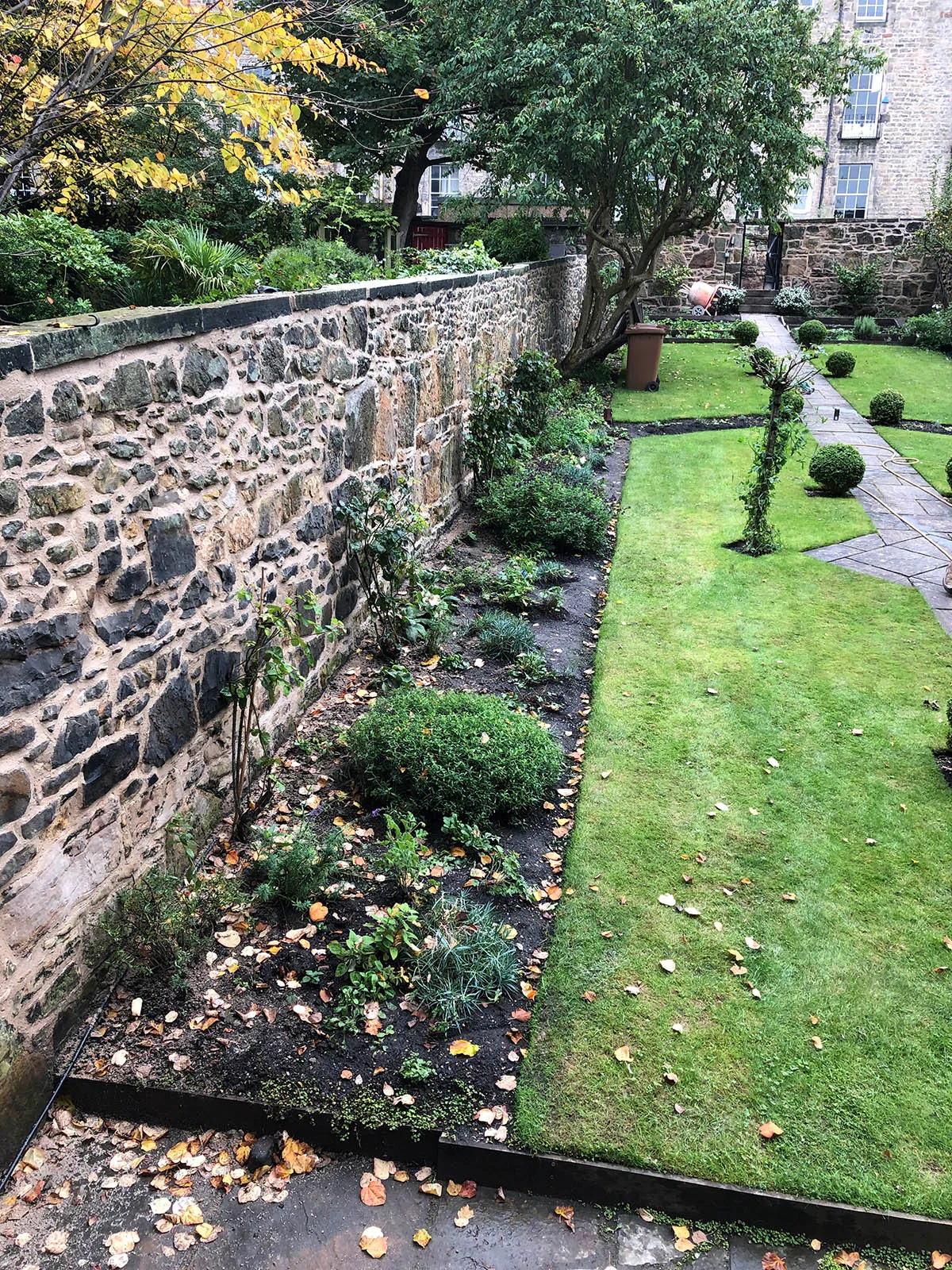
Long rubble stone garden wall beside a lawn after lime repointing

Why lime

Lime mortars

Traditionally, stone and brick buildings were built and repointed using lime mortar. The soft and permeable qualities of lime mortar allow for any movement in the structure and ensure moisture in the walls can freely evaporate. As lime mortar is generally softer than stone, occasional repointing is necessary both at low level (due to salt attack) and at higher levels such as copings, strings and weatherings (due to water erosion). Lime mortar, especially putty lime mortar, can become soft and friable with age, but this does not necessarily mean it is not functioning.

Unfortunately, over the last 150 years or more, Portland cement based mortars have commonly been used for repointing joints that were previously filled with lime mortar. Strong cement mortars are invariably too hard for sandstone; they can cause damage and, being grey, are drab and unsightly. Wherever possible they should be removed and replaced with lime mortar, which allows the wall to ‘breathe’. The typical cream, buff, pale brown, pink and white lime mortars, which reflect the local sand colour, are much more in keeping with the colours and textures of stone and brick.

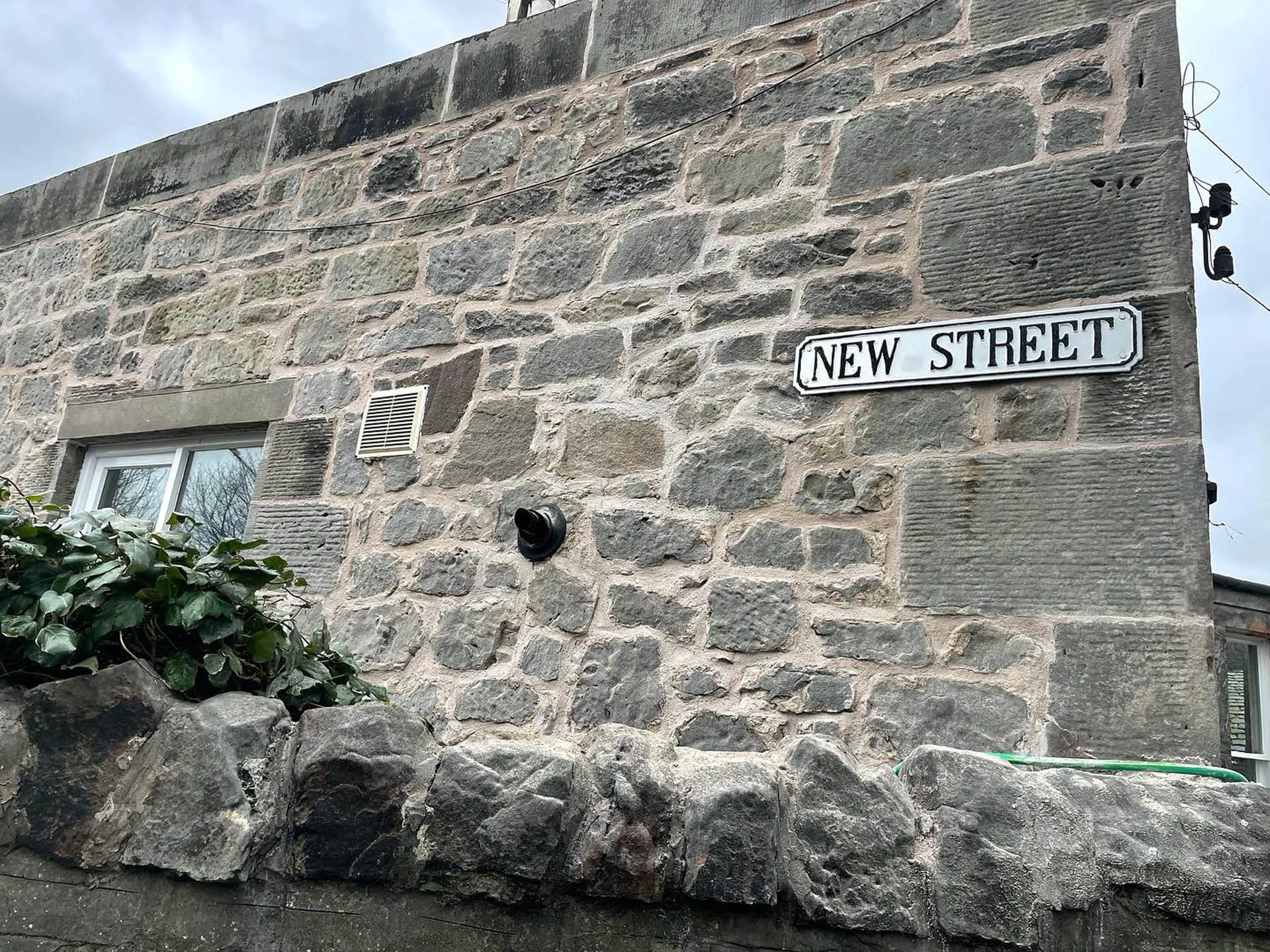
Rubble stone wall newly repointed in lime mortar

1 / 5

Good to know

Questions & answers

What is better, cement or lime?
On sandstone and brick it is better to use lime mortar, as it allows the masonry to breathe. Cement traps moisture in the building, stopping dampness from escaping and causing damage to the masonry.
How long does lime pointing last?
If done correctly, at the correct temperatures, it should last 10–50 years.

Do you need our lime pointing services?

Give us a call on 0131 237 7569 or send us a message.

Contact us